
10-Year R&D Excellence
Founded in 2010, Kinkuo has a decade-long track record of innovative connector and cable design for industrial automation and high-end applications.
Wide-Ranging Expertise
Core portfolio spans double-shielded signal cables, 10-million-cycle drag-chain cables, industrial camera & network harnesses, oil-resistant assemblies, and complete SCSI/VHDCI/D-SUB/USB 3.0 connector lines.
Global Brand Trust
Long-term preferred supplier to renowned customers across Japan, Taiwan, Europe, the Americas, and Mainland China, attesting to consistent quality and reliability.
Tier-1 Supply Chain Access
Authorized distributor of Amphenol’s latest high-speed interconnect portfolio (SFP, QSFP-DD, OSFP, SlimSAS, Gen-Z, etc.), enabling turnkey, future-proof solutions.
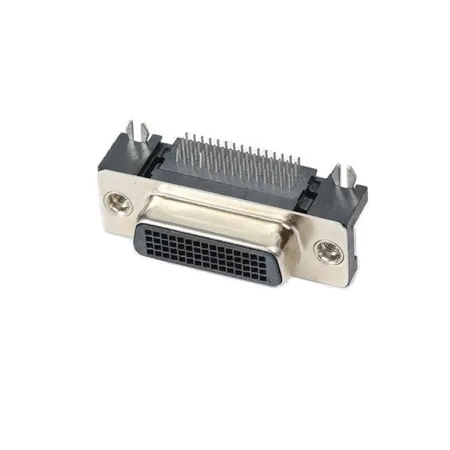
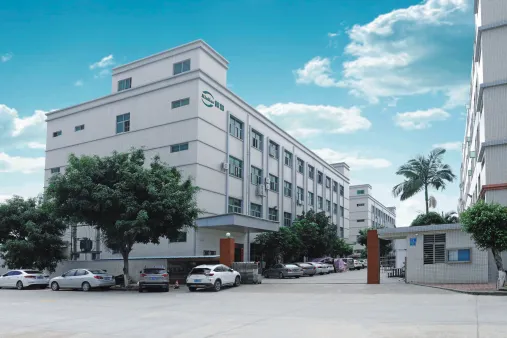
We Have The Best Solutions for Your Business
1. Cable Ass'y products: double shielded signal control Cables (SCSI, VHDCI, D-SUB, USB, LFH, SDR), Ten million times drag chain line, industrial camera wiring harness, industrial network cable, mechanical equipment oil resistant wiring harness, customized various specifications Cable research and development, assembly.
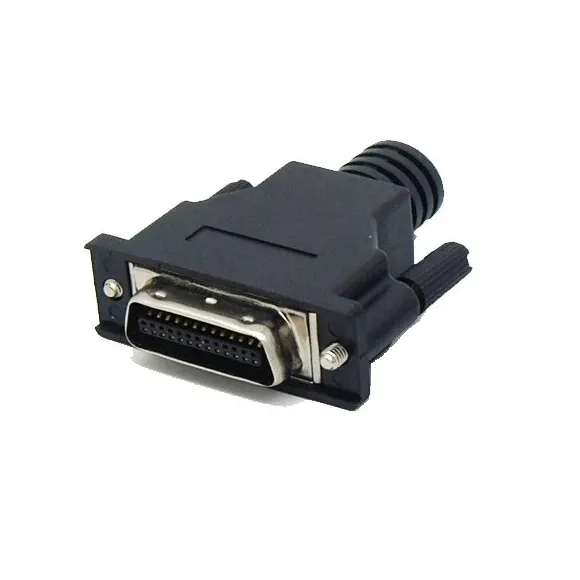
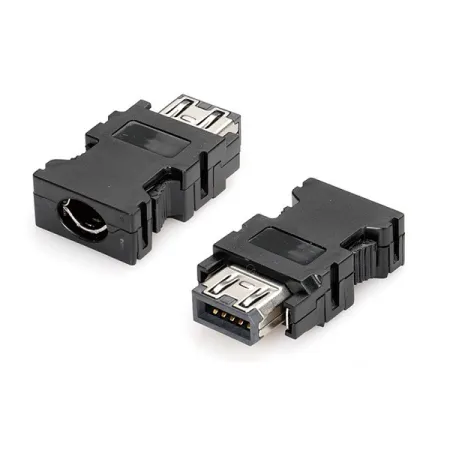
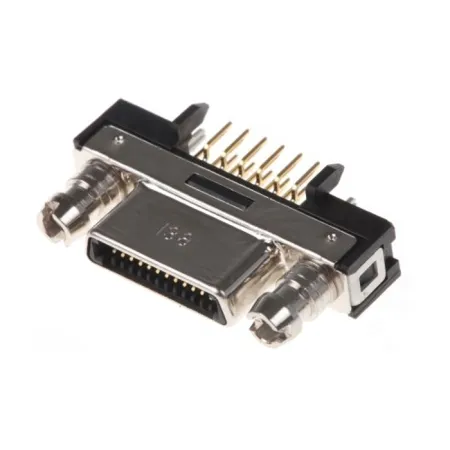
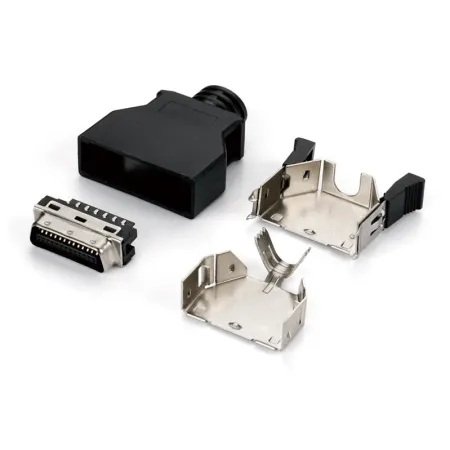
2. Connector products: SCSI, VHDCI, D-SUB, LFH, USB 3.0, servo motor peripheral series connectors.
3. Brand agent: Amphenol (SFP, SFP28, QSFP, QSFP28, QSFP-DD, OSFP, CFP2, CFP4, MiniSAS HD, SlimSAS, PCIeSAS, Oculink, MCIO, Gen-Z)
Attentive service, perfect quality!
Why is my external SCSI device not working reliably?
If your external SCSI scanner, storage device, or audio interface is having connection problems, the first thing to check is the cable. It is essential that you are using a high-quality, external-rated SCSI cable. An external cable must have robust internal shielding (both foil and braid) to protect the signals from electrical noise it will encounter outside the computer case. Using an unshielded internal ribbon cable for an external connection will almost always result in data errors and failures. KinKuo manufactures industrial-grade external SCSI cable solutions with heavy-duty shielding and rugged, overmolded connectors to provide a stable, error-free link for your valuable external peripherals.
What is the difference between a Wide SCSI and a Narrow SCSI cable?
The difference between a "Wide" and "Narrow" SCSI cable is the number of data lines they carry and the connector they use. "Narrow" SCSI is the original 8-bit standard and typically uses a 50-pin connector (like an HD50). "Wide" SCSI is a later, faster standard that uses a 16-bit data path, effectively doubling the potential speed. Wide SCSI requires more connections and therefore uses a 68-pin connector (like an HD68). It is critical to use the correct cable for your devices. As an expert manufacturer, KinKuo can build any type of SCSI cable you need, whether it's for an older Narrow SCSI device or a newer Wide SCSI peripheral, ensuring you have the correct, high-performance link for your hardware.
My SCSI hard drive is not being detected or is showing errors. Could the cable be the problem?
Yes, an intermittent or failed connection due to a low-quality SCSI cable is one of the most common causes of drive detection issues and data errors. Over time, the contacts on a cheap cable can oxidize, or a wire can break near the connector due to poor strain relief. This leads to an unstable connection that can cause a drive to randomly drop offline or corrupt data during transfer. The best troubleshooting step is to replace the existing cable with a new, high-quality, fully shielded SCSI cable from a trusted manufacturer like KinKuo. Our cables are 100% tested and built with superior materials to provide a rock-solid, error-free connection, which can often instantly solve these frustrating and dangerous drive issues.
Is it safe to buy a used SCSI cable?
While it might seem like a way to save money, buying a used SCSI cable is a significant risk, especially for a critical piece of equipment. You have no way of knowing the history of the cable. It could have an intermittent internal wire break from being bent too sharply, or it could have been used in a harsh environment that has degraded its materials. A single failure could cost you thousands in downtime or data loss. The safe and professional choice is to invest in a new, high-quality SCSI cable from a reputable manufacturer like KinKuo. For a relatively small cost, you get a brand new, fully tested cable with a guarantee of quality, which is the far smarter investment for protecting your valuable legacy hardware.
User Reviews
What users say about KinKuo
Frequently Asked Question
Do you have any question?
A high-quality SCSI cable has several key features: a thick, durable jacket; robust, overmolded connector backshells that provide excellent strain relief; secure locking mechanisms (either spring clips or thumbscrews); and, most importantly, evidence of proper internal shielding. Sourcing from a reputable manufacturer who performs 100% testing is the best way to guarantee you are receiving a high-quality part.
An internal SCSI cable is typically a flat, unshielded ribbon cable designed for connecting devices inside a computer or server chassis where there is less electrical noise. An external SCSI cable is a thick, round cable with a heavy-duty jacket and comprehensive internal shielding, designed to connect a computer to an external peripheral while protecting the signal from outside interference.
Yes. A specialized factory like KinKuo can manufacture a custom SCSI cable to your exact specifications. This is crucial for replacing an original cable in a machine with a specific length requirement or for creating a unique interface, like an adapter cable to connect a device with a 68-pin port to a controller with a 50-pin port.
The main difference between a 50-pin and a 68-pin SCSI cable is the bus width and speed they support. The 50-pin versions (like HD50) are for older, "narrow" SCSI standards. The 68-pin versions (like HD68) are for "Wide" SCSI, which uses a wider 16-bit data path, allowing for significantly faster data transfer speeds and more devices on the bus.
A shielded SCSI cable is essential, especially in industrial or data center environments, because the parallel signals it carries are susceptible to electromagnetic interference (EMI). A proper shield, typically made of foil and a copper braid, creates a protective barrier that grounds out this electrical noise, preventing data corruption, ensuring stable communication, and maintaining the integrity of the entire system.
A SCSI cable is still critically important for a vast range of legacy equipment where reliability is paramount. This includes industrial automation machinery (CNC machines, robotics), high-end medical imaging devices (MRI, CT scanners), professional audio/video production hardware, and mission-critical enterprise servers and storage arrays that are too valuable or complex to replace.
Our updates and blog posts
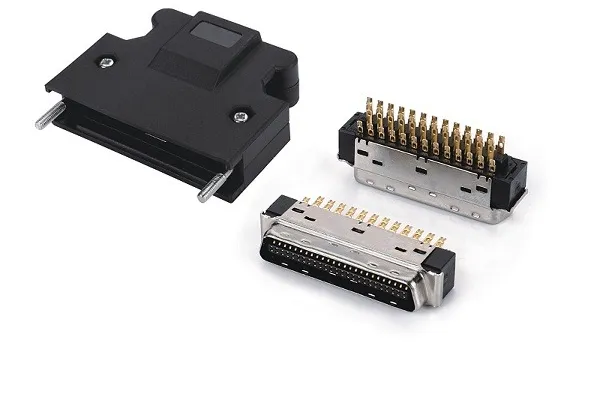
Servo Connector Mastery: How KinKuo’s Servo Connector Range Eliminates Downtime and Future-Proofs Motion Systems
Explore KinKuo Servo Connector solutions—IP67, 10 M flex, same-day ship. Cut downtime and future-proof motion systems today.
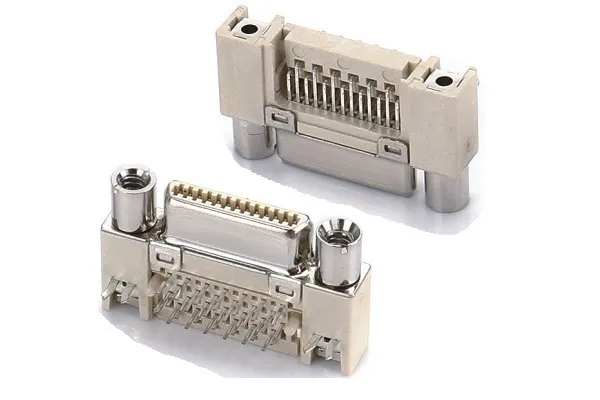
VHDCI Connector Deep Dive: How KinKuo’s VHDCI Connector Range Delivers 68-Pin Density with Zero Signal Loss
Explore KinKuo VHDCI Connector solutions—0.8 mm pitch, 500 V, RoHS. Cut space and boost speed with proven VHDCI Connector today.
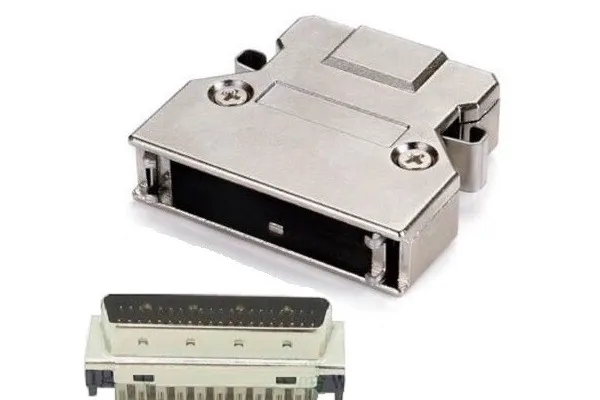
SCSl Connector Deep-Dive: How KinKuo’s SCSl Connector Portfolio Delivers 68-Pin Density with Industrial-Grade Reliability
Explore KinKuo VHDCI Connector solutions—0.8 mm pitch, 500 V, RoHS. Cut space and boost speed with proven VHDCI Connector today.
Our updates and blog posts
Servo Connector Mastery: How KinKuo’s Servo Connector Range Eliminates Downtime and Future-Proofs Motion Systems
Explore KinKuo Servo Connector solutions—IP67, 10 M flex, same-day ship. Cut downtime and future-proof motion systems today.
VHDCI Connector Deep Dive: How KinKuo’s VHDCI Connector Range Delivers 68-Pin Density with Zero Signal Loss
Explore KinKuo VHDCI Connector solutions—0.8 mm pitch, 500 V, RoHS. Cut space and boost speed with proven VHDCI Connector today.
SCSl Connector Deep-Dive: How KinKuo’s SCSl Connector Portfolio Delivers 68-Pin Density with Industrial-Grade Reliability
Explore KinKuo VHDCI Connector solutions—0.8 mm pitch, 500 V, RoHS. Cut space and boost speed with proven VHDCI Connector today.