
10-Year R&D Excellence
Founded in 2010, Kinkuo has a decade-long track record of innovative connector and cable design for industrial automation and high-end applications.
Wide-Ranging Expertise
Core portfolio spans double-shielded signal cables, 10-million-cycle drag-chain cables, industrial camera & network harnesses, oil-resistant assemblies, and complete SCSI/VHDCI/D-SUB/USB 3.0 connector lines.
Global Brand Trust
Long-term preferred supplier to renowned customers across Japan, Taiwan, Europe, the Americas, and Mainland China, attesting to consistent quality and reliability.
Tier-1 Supply Chain Access
Authorized distributor of Amphenol’s latest high-speed interconnect portfolio (SFP, QSFP-DD, OSFP, SlimSAS, Gen-Z, etc.), enabling turnkey, future-proof solutions.
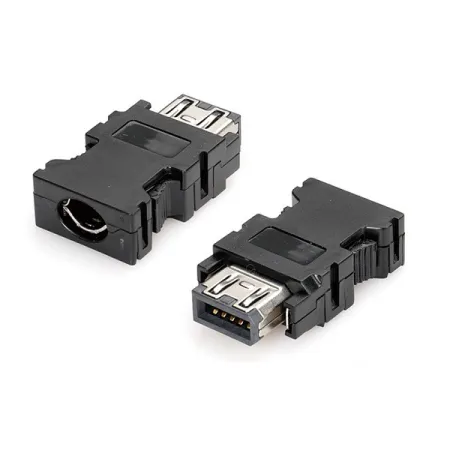
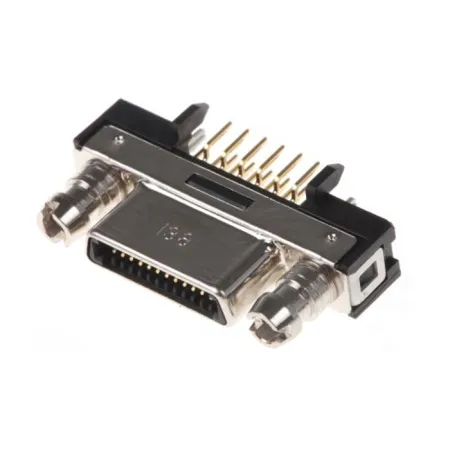

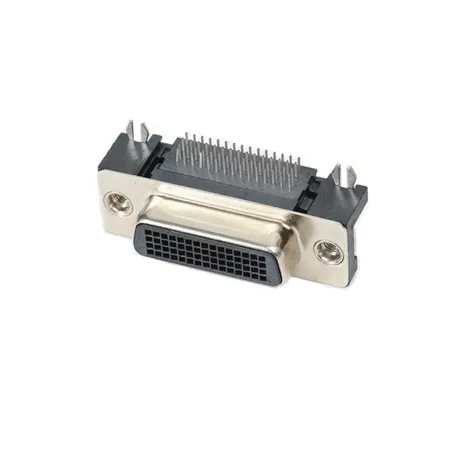
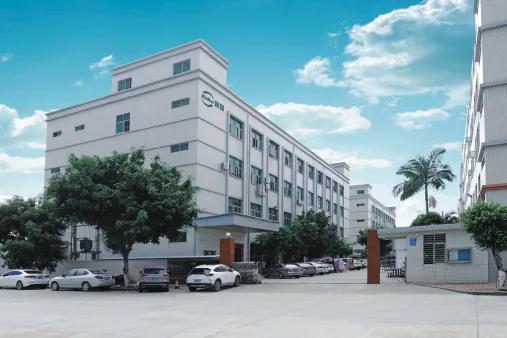
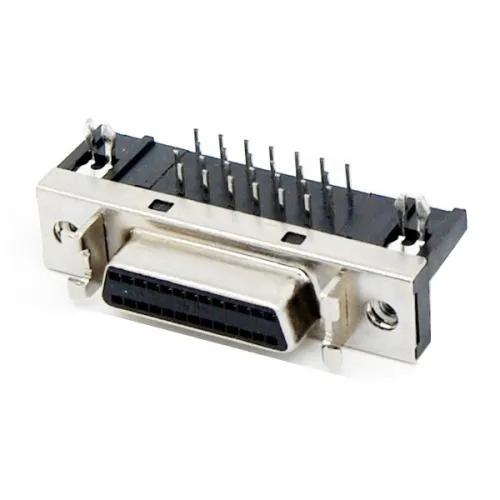
We Have The Best Solutions for Your Business
1. Cable Ass'y products: double shielded signal control Cables (SCSI, VHDCI, D-SUB, USB, LFH, SDR), Ten million times drag chain line, industrial camera wiring harness, industrial network cable, mechanical equipment oil resistant wiring harness, customized various specifications Cable research and development, assembly.
2. Connector products: SCSI, VHDCI, D-SUB, LFH, USB 3.0, servo motor peripheral series connectors.
3. Brand agent: Amphenol (SFP, SFP28, QSFP, QSFP28, QSFP-DD, OSFP, CFP2, CFP4, MiniSAS HD, SlimSAS, PCIeSAS, Oculink, MCIO, Gen-Z)
Attentive service, perfect quality!
What does 'termination' mean for a SCSI connector and why is it important?
Termination is a critical concept in SCSI technology. Because the SCSI bus is a high-speed parallel bus, the signals can "reflect" back from the ends of the cable, which causes interference and data errors. To prevent this, the devices at both physical ends of the SCSI chain must have a "terminator," which is a set of resistors that absorbs the signals and stops the reflections. This termination can be built into the device itself, or it can be a separate block that you plug into the last device's open SCSI connector port. Proper termination is absolutely essential for a stable SCSI bus, and using a high-quality SCSI connector ensures that the terminator can make a clean, reliable connection.
The plastic backshell on my SCSI connector cracked. What's a better alternative?
A cracked plastic backshell is a very common failure on older or lower-quality cables. This exposes the delicate solder joints to stress and can lead to an intermittent or complete failure of the cable. The best alternative is to replace it with a cable that has a fully overmolded backshell, a specialty of the KinKuo factory. Instead of a hollow, snap-together plastic shell, our overmolding process injects a solid block of high-pressure, high-temperature polymer directly around the soldered connections and the cable itself. This creates a single, solid piece that provides vastly superior strain relief and is nearly impossible to break. An overmolded SCSI connector from KinKuo is a far more durable and reliable solution that is designed for a long service life in demanding environments.
What is the difference between an HD68 and a VHDCI connector? They are both 68-pin.
This is an excellent and common question. While both the HD68 and the VHDCI are 68-pin Wide SCSI connector types, the key difference is their physical size and density. The HD68 is the larger, traditional "D-shaped" connector. The VHDCI (Very High-Density Cable Interconnect) is a much smaller, more compact "micro" connector. The VHDCI was designed to allow hardware manufacturers to put more ports in a smaller space; for example, a single PCI card can often fit four VHDCI ports where it could only fit one or two of the larger HD68 connectors. So, while they serve the same electrical purpose, VHDCI is the higher-density option. KinKuo is an expert manufacturer of both, so we can provide the correct, high-quality SCSI connector for your specific hardware.
My SCSI device keeps disconnecting. Could it be the connector?
Yes, intermittent disconnects are a classic symptom of a mechanical failure at the connection point, and the SCSI connector is a prime suspect. This is often caused by a worn-out or broken locking mechanism. The spring clips on an older connector can lose their tension, or the thumbscrews can become stripped, allowing the connector to loosen under normal machine vibration. The only reliable fix is to replace the connector or its associated cable assembly. A new, high-quality SCSI connector from KinKuo will have a robust, positive-locking mechanism that creates a secure, vibration-proof connection. By replacing the worn-out component, you can permanently solve the problem of intermittent disconnects and restore the stability of your system.
User Reviews
What users say about KinKuo
Frequently Asked Question
Do you have any question?
A shielded SCSI connector, which has a full metal shell, is a critical part of protecting your data from EMI (Electromagnetic Interference). When used with a shielded cable, the metal shell provides a 360-degree, continuous path to ground for any electrical noise that hits the connection, preventing that noise from corrupting the sensitive parallel data signals passing through the pins inside.
The difference is the termination method. An IDC (Insulation-Displacement Contact) SCSI connector is used with flat ribbon cables, where sharp prongs pierce the cable to make contact, which is common for internal connections. A solder-cup SCSI connector has small cups on the back of each pin where individual wires are soldered in place, which is typical for building rugged, external round cables.
Yes. A specialized factory like KinKuo can create a custom SCSI connector to meet unique requirements. This can include non-standard mounting flanges for a specific chassis, custom pin-loading, or creating a hybrid connector that fits within a SCSI shell, providing a bespoke solution for unique engineering challenges.
A high-quality SCSI connector is still in high demand to support the vast and valuable installed base of legacy equipment. Multi-million-dollar industrial machines, medical scanners, and professional equipment were built to last for decades, and they rely on this interface. A new, high-quality replacement connector is often the key to keeping this vital equipment operational.
These represent different generations and widths of the SCSI standard. The 50-pin SCSI connector is for older, 8-bit "Narrow" SCSI. The 68-pin SCSI connector is for 16-bit "Wide" SCSI, offering faster speeds. The VHDCI (Very High-Density Cable Interconnect) is a much more compact 68-pin connector, allowing multiple ports to fit in a small space while still providing Wide SCSI performance.
The reliability of a SCSI connector is a direct result of its robust mechanical design. Unlike many modern connectors, it features a strong metal D-shaped shell for protection and polarization, and a mandatory locking system—either spring clips or thumbscrews—that creates a secure, vibration-proof connection essential for industrial and server environments.
Our updates and blog posts
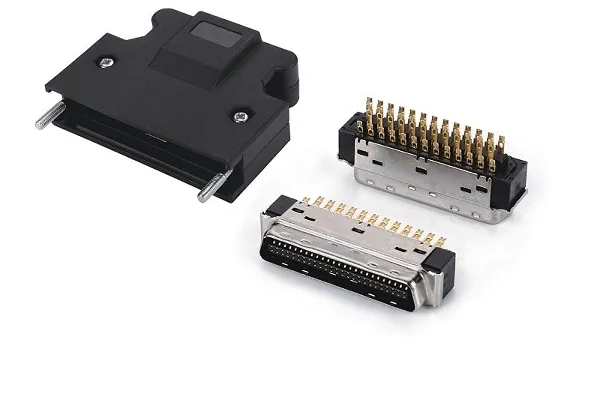
Servo Connector Mastery: How KinKuo’s Servo Connector Range Eliminates Downtime and Future-Proofs Motion Systems
Explore KinKuo Servo Connector solutions—IP67, 10 M flex, same-day ship. Cut downtime and future-proof motion systems today.
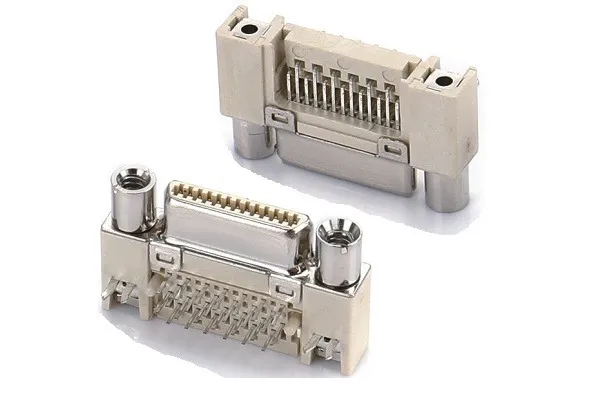
VHDCI Connector Deep Dive: How KinKuo’s VHDCI Connector Range Delivers 68-Pin Density with Zero Signal Loss
Explore KinKuo VHDCI Connector solutions—0.8 mm pitch, 500 V, RoHS. Cut space and boost speed with proven VHDCI Connector today.
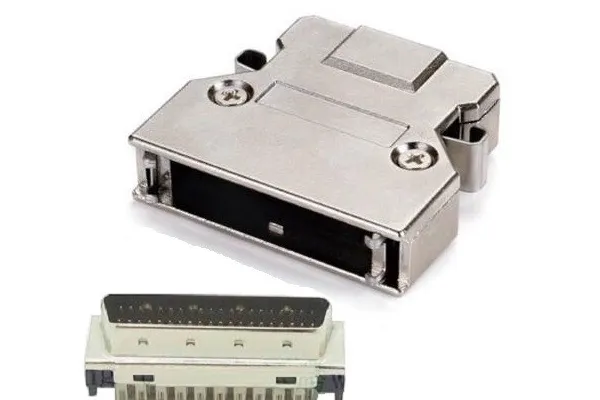
SCSl Connector Deep-Dive: How KinKuo’s SCSl Connector Portfolio Delivers 68-Pin Density with Industrial-Grade Reliability
Explore KinKuo VHDCI Connector solutions—0.8 mm pitch, 500 V, RoHS. Cut space and boost speed with proven VHDCI Connector today.
Our updates and blog posts
Servo Connector Mastery: How KinKuo’s Servo Connector Range Eliminates Downtime and Future-Proofs Motion Systems
Explore KinKuo Servo Connector solutions—IP67, 10 M flex, same-day ship. Cut downtime and future-proof motion systems today.
VHDCI Connector Deep Dive: How KinKuo’s VHDCI Connector Range Delivers 68-Pin Density with Zero Signal Loss
Explore KinKuo VHDCI Connector solutions—0.8 mm pitch, 500 V, RoHS. Cut space and boost speed with proven VHDCI Connector today.
SCSl Connector Deep-Dive: How KinKuo’s SCSl Connector Portfolio Delivers 68-Pin Density with Industrial-Grade Reliability
Explore KinKuo VHDCI Connector solutions—0.8 mm pitch, 500 V, RoHS. Cut space and boost speed with proven VHDCI Connector today.