
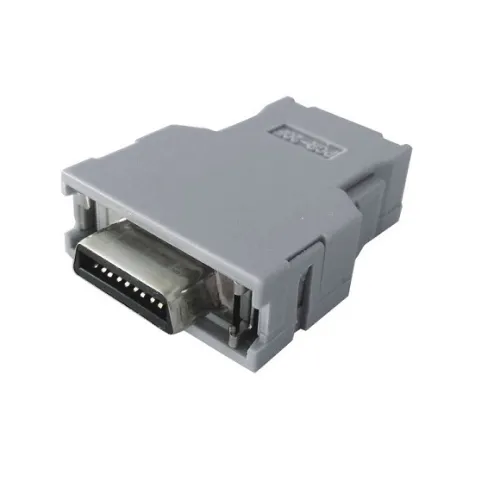
10-Year R&D Excellence
Founded in 2010, Kinkuo has a decade-long track record of innovative connector and cable design for industrial automation and high-end applications.
Wide-Ranging Expertise
Core portfolio spans double-shielded signal cables, 10-million-cycle drag-chain cables, industrial camera & network harnesses, oil-resistant assemblies, and complete SCSI/VHDCI/D-SUB/USB 3.0 connector lines.
Global Brand Trust
Long-term preferred supplier to renowned customers across Japan, Taiwan, Europe, the Americas, and Mainland China, attesting to consistent quality and reliability.
Tier-1 Supply Chain Access
Authorized distributor of Amphenol’s latest high-speed interconnect portfolio (SFP, QSFP-DD, OSFP, SlimSAS, Gen-Z, etc.), enabling turnkey, future-proof solutions.
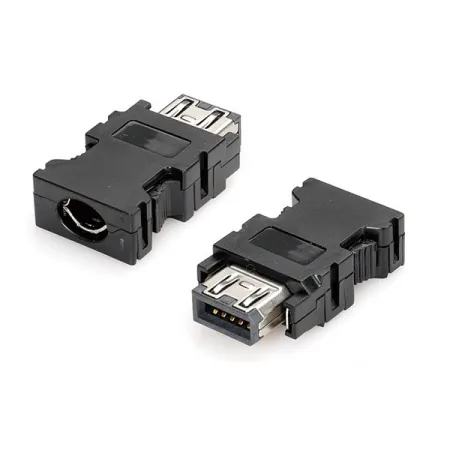
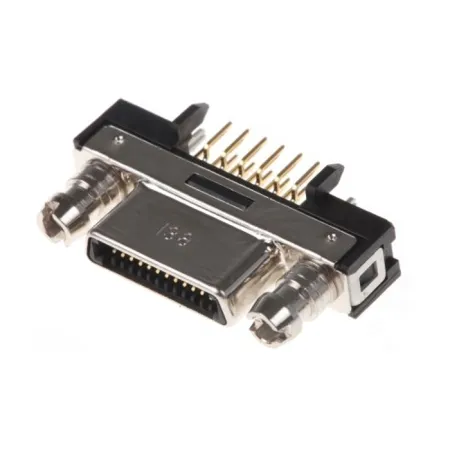
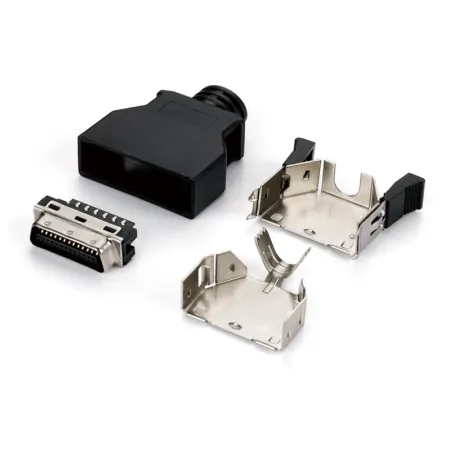
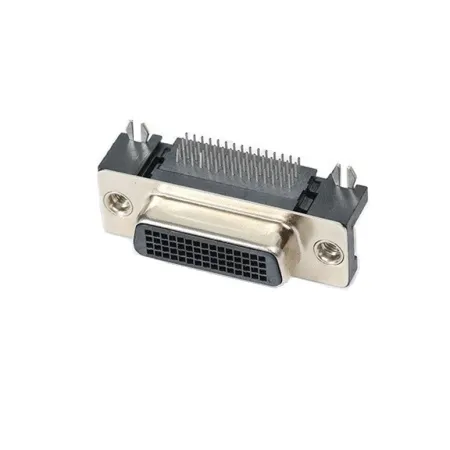

We Have The Best Solutions for Your Business
1. Cable Ass'y products: double shielded signal control Cables (SCSI, VHDCI, D-SUB, USB, LFH, SDR), Ten million times drag chain line, industrial camera wiring harness, industrial network cable, mechanical equipment oil resistant wiring harness, customized various specifications Cable research and development, assembly.
2. Connector products: SCSI, VHDCI, D-SUB, LFH, USB 3.0, servo motor peripheral series connectors.
3. Brand agent: Amphenol (SFP, SFP28, QSFP, QSFP28, QSFP-DD, OSFP, CFP2, CFP4, MiniSAS HD, SlimSAS, PCIeSAS, Oculink, MCIO, Gen-Z)
Attentive service, perfect quality!
Do I Need a Special Cable for a CDFP Connector?
Yes, the CDFP connector requires a mating plug connector that is specifically designed for its 16-lane interface. These are found on the end of either a direct attach copper (DAC) cable or an active optical cable (AOC). You cannot use a cable designed for a QSFP or OSFP port with a CDFP connector port, as both the electrical and mechanical interfaces are completely different. As a comprehensive connectivity solutions provider, KinKuo can assist not only with the board-level connector and cage but also with sourcing the compatible, high-performance cable assemblies needed to complete your 400G link. We ensure that you get a fully compatible, end-to-end solution that has been validated to work together seamlessly.
The Importance of the CDFP Connector Cage Assembly
When planning your PCB layout, it's crucial to remember that the CDFP connector requires its associated cage assembly for proper function. The cage is not an optional component. It is a critical part of the system that provides EMI shielding, thermal management, and mechanical stability. Attempting to use the connector without the correct cage will result in failed EMI compliance tests, overheating of your pluggable modules, and an unreliable physical connection. KinKuo supplies the complete, matched system, ensuring the CDFP connector and cage you receive are designed to work together perfectly. We strongly advise our customers to design their boards using the full system specifications, and we can provide the necessary documentation to ensure a successful and reliable implementation.
Where to Buy a CDFP Connector for a Core Router Project
If you are an engineer or procurement specialist looking for where to buy a CDFP connector, your primary concern should be sourcing a genuine, high-quality component. The risks of using a part from an unverified distributor are immense, ranging from poor performance to complete system failure. The most reliable source is an authorized agent of a trusted manufacturer. KinKuo is an official agent for Amphenol, a world leader in high-speed interconnects. By purchasing your CDFP connector from us, you get the security of a direct, factory-authorized supply chain. We provide full traceability, technical support, and the guarantee of authenticity that is essential for any core router or high-performance networking project. For a reliable supply and expert service, the clear choice is to partner with KinKuo.
Getting a CDFP Connector Sample for Testing and Evaluation
Before committing a new component to a large-scale design, engineering teams often need to procure samples for prototyping and evaluation. KinKuo understands this critical step in the design process. As an authorized agent for Amphenol, we can facilitate sample requests for the CDFP connector and its cage assembly for qualified projects. Providing our engineering customers with the components they need for testing is a key part of our commitment to service. If your team is evaluating the CDFP connector for an upcoming 400G project, please contact our sales department with the details of your application. We will work with you to get the necessary samples into your lab, enabling you to validate your design with authentic, high-performance hardware.
User Reviews
What users say about KinKuo
Frequently Asked Question
Do you have any question?
Yes, the CDFP connector system includes several components. There is the board-mounted receptacle itself, the associated cage assembly (available in single or stacked configurations), and the mating plug connector found on the end of a copper or fiber optic cable assembly. A full solution requires a correctly matched system of these parts, which an expert supplier can help you specify.
While all three are solutions for 400G and beyond, the CDFP connector differs primarily in its 16-lane electrical interface. QSFP-DD and OSFP typically use an 8-lane interface (8 x 50G or 8 x 100G) to achieve their data rates. The CDFP's 16-lane architecture was an earlier approach to 400G and can offer benefits in certain legacy designs or specific board layouts, though QSFP-DD and OSFP have become more widely adopted in the market.
Sourcing your CDFP connector from an official Amphenol agent like KinKuo guarantees product authenticity, quality, and full traceability. You avoid the significant risks of counterfeit or grey-market components that can cause catastrophic system failures. As an agent, we provide direct access to factory stock, technical support, and the assurance that you are receiving a genuine, high-performance component that meets all specifications.
The cage assembly is a critical part of the CDFP connector system. It is the metal housing that is mounted to the PCB (Printed Circuit Board) and surrounds the connector itself. The cage provides EMI shielding to prevent interference, acts as a heat sink to help dissipate thermal energy, and provides a secure guide and locking mechanism for the pluggable optical transceiver or copper cable assembly.
The CDFP connector is engineered specifically for 400GbE by providing 16 lanes of data, with each lane running at 25 Gbps. This 16 x 25G architecture provides the necessary aggregate bandwidth for 400G applications. Furthermore, its design emphasizes excellent signal integrity and thermal management, which are critical for maintaining performance at such high frequencies and in densely packed line cards.
A CDFP connector is a high-speed, high-density I/O (Input/Output) connector designed to support 400 Gigabits per second (Gbps) data rates. It is primarily used in enterprise networking equipment like core routers, switches, and high-performance computing systems to create the physical link for 400GbE applications, enabling ultra-fast data transfer between devices.
Our updates and blog posts
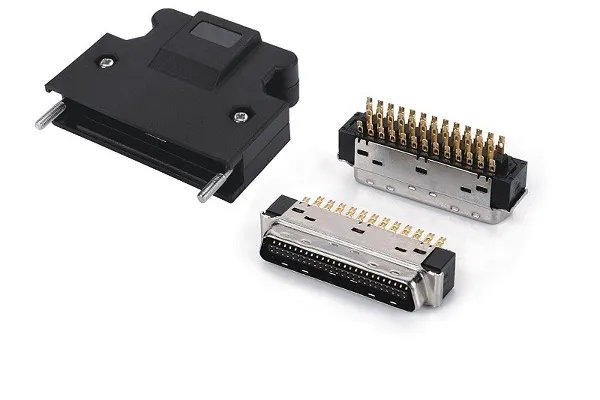
Servo Connector Mastery: How KinKuo’s Servo Connector Range Eliminates Downtime and Future-Proofs Motion Systems
Explore KinKuo Servo Connector solutions—IP67, 10 M flex, same-day ship. Cut downtime and future-proof motion systems today.
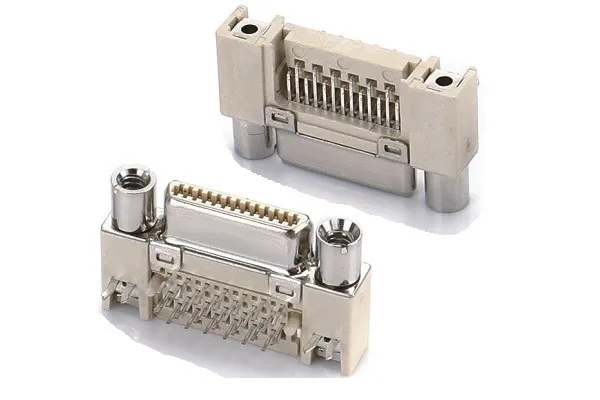
VHDCI Connector Deep Dive: How KinKuo’s VHDCI Connector Range Delivers 68-Pin Density with Zero Signal Loss
Explore KinKuo VHDCI Connector solutions—0.8 mm pitch, 500 V, RoHS. Cut space and boost speed with proven VHDCI Connector today.
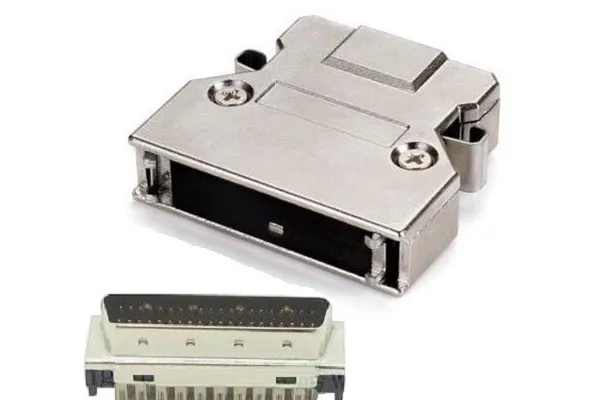
SCSl Connector Deep-Dive: How KinKuo’s SCSl Connector Portfolio Delivers 68-Pin Density with Industrial-Grade Reliability
Explore KinKuo VHDCI Connector solutions—0.8 mm pitch, 500 V, RoHS. Cut space and boost speed with proven VHDCI Connector today.
Our updates and blog posts
Servo Connector Mastery: How KinKuo’s Servo Connector Range Eliminates Downtime and Future-Proofs Motion Systems
Explore KinKuo Servo Connector solutions—IP67, 10 M flex, same-day ship. Cut downtime and future-proof motion systems today.
VHDCI Connector Deep Dive: How KinKuo’s VHDCI Connector Range Delivers 68-Pin Density with Zero Signal Loss
Explore KinKuo VHDCI Connector solutions—0.8 mm pitch, 500 V, RoHS. Cut space and boost speed with proven VHDCI Connector today.
SCSl Connector Deep-Dive: How KinKuo’s SCSl Connector Portfolio Delivers 68-Pin Density with Industrial-Grade Reliability
Explore KinKuo VHDCI Connector solutions—0.8 mm pitch, 500 V, RoHS. Cut space and boost speed with proven VHDCI Connector today.