
10-Year R&D Excellence
Founded in 2010, Kinkuo has a decade-long track record of innovative connector and cable design for industrial automation and high-end applications.
Wide-Ranging Expertise
Core portfolio spans double-shielded signal cables, 10-million-cycle drag-chain cables, industrial camera & network harnesses, oil-resistant assemblies, and complete SCSI/VHDCI/D-SUB/USB 3.0 connector lines.
Global Brand Trust
Long-term preferred supplier to renowned customers across Japan, Taiwan, Europe, the Americas, and Mainland China, attesting to consistent quality and reliability.
Tier-1 Supply Chain Access
Authorized distributor of Amphenol’s latest high-speed interconnect portfolio (SFP, QSFP-DD, OSFP, SlimSAS, Gen-Z, etc.), enabling turnkey, future-proof solutions.
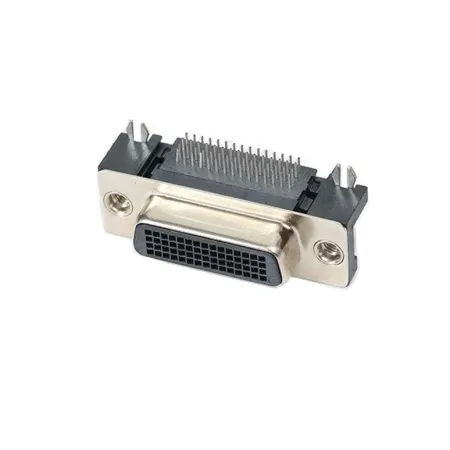
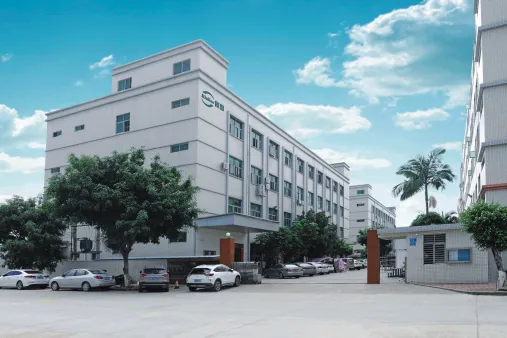
We Have The Best Solutions for Your Business
1. Cable Ass'y products: double shielded signal control Cables (SCSI, VHDCI, D-SUB, USB, LFH, SDR), Ten million times drag chain line, industrial camera wiring harness, industrial network cable, mechanical equipment oil resistant wiring harness, customized various specifications Cable research and development, assembly.
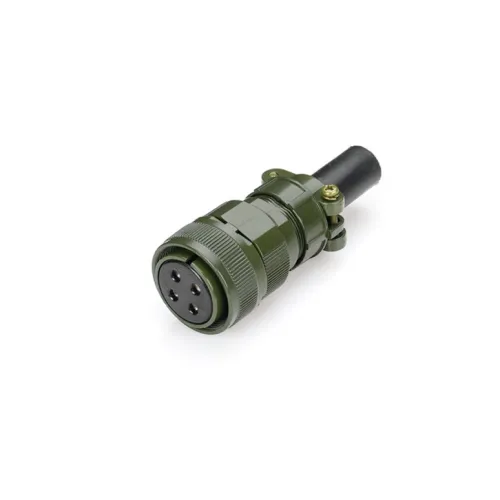
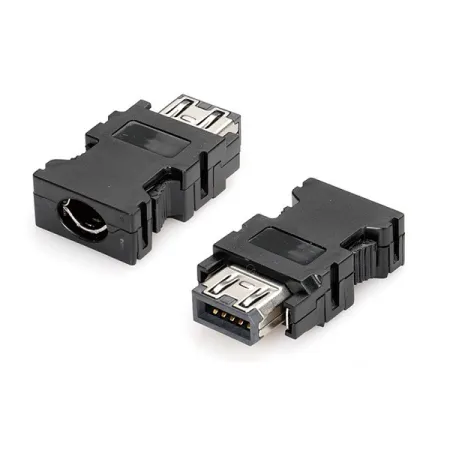
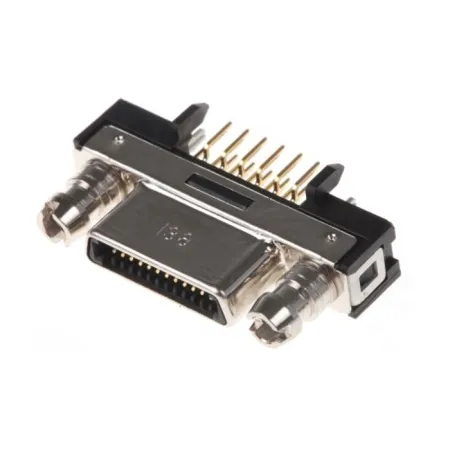
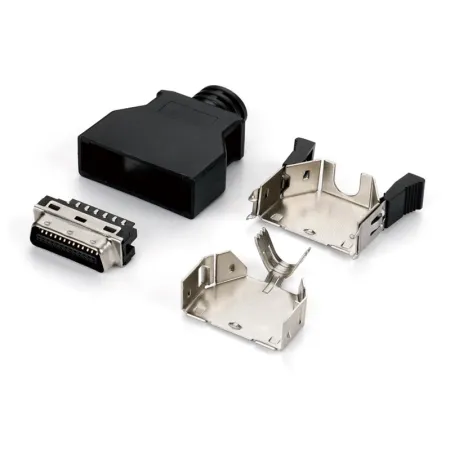
2. Connector products: SCSI, VHDCI, D-SUB, LFH, USB 3.0, servo motor peripheral series connectors.
3. Brand agent: Amphenol (SFP, SFP28, QSFP, QSFP28, QSFP-DD, OSFP, CFP2, CFP4, MiniSAS HD, SlimSAS, PCIeSAS, Oculink, MCIO, Gen-Z)
Attentive service, perfect quality!
How do I find a reliable long-term supplier for a high speed connector for my OEM product?
For an OEM, a long-term supplier relationship is about more than just parts; it's about stability, trust, and consistency. When choosing a partner for a component as critical as a high speed connector, you should look for a company with a long and proven track record. KinKuo, with its 15-year history of serving demanding global clients, has demonstrated this stability. You should also look for a partner with a secure, factory-direct supply chain, which our status as an authorized Amphenol agent provides. This ensures consistent quality and pricing over the life of your product. Finally, look for a partner who is willing to work with you on logistics and inventory management. KinKuo is focused on building these long-term OEM partnerships, making us the ideal choice for a reliable, long-term high speed connector supplier.
My data center design is very dense and I'm worried about heat. What should I consider?
Thermal management is a primary concern in dense data center designs, and your choice of high speed connector plays a critical role. The connectors themselves don't generate much heat, but the optical transceivers they house can generate a significant amount. A high-quality I/O connector system like QSFP-DD or OSFP is designed with thermal management in mind. The metal cage assembly that houses the connector is engineered to act as a heat sink, drawing heat away from the transceiver and transferring it to the chassis airflow. As a key supplier, KinKuo can provide the full Amphenol system, including cages with advanced features like heat sink fins, to ensure your design has the best possible thermal performance. Choosing the right high speed connector system is a critical first step in keeping your dense design cool and reliable.
My system is failing its signal integrity tests. Could the connector be the problem?
Yes, a poor-quality high speed connector is one of the most common causes of signal integrity failures. At multi-gigabit speeds, the connector is not a simple conductor; it's a complex component that can introduce significant performance degradation if not designed correctly. Issues like impedance mismatch causing reflections and crosstalk from adjacent pins can completely destroy your signal. The solution is to use a genuine, high-performance high speed connector from a world-class manufacturer, sourced through a trusted agent like KinKuo. These connectors are extensively simulated and tested to ensure they provide a clean, transparent path for your signals. By replacing a questionable or generic connector with a high-quality component from KinKuo, you can often solve the root cause of your signal integrity problems and pass your compliance tests.
I'm upgrading my switch. Can I still use my old high speed cables?
This depends on the form factor. The industry often tries to maintain some level of backward compatibility. For example, a QSFP-DD (Double Density) high speed connector port on a new 400G switch is designed to be backward compatible with an older 100G QSFP28 cable. You can plug the older cable into the new port, and it will operate at the lower 100G speed. However, you cannot do the reverse (plug a new 400G cable into an old 100G port). As experts in this field, KinKuo can help you understand these compatibility and interoperability questions. We can help you identify which new high speed connector ports will work with your existing cable infrastructure, helping you plan a smoother and more cost-effective upgrade.
User Reviews
What users say about KinKuo
Frequently Asked Question
Do you have any question?
Key types of high speed connector include pluggable I/O connectors like QSFP-DD and OSFP for external networking; backplane connectors like ExaMAX® and Paladin® for connecting cards within a chassis; and internal cable connectors like MCIO and SlimSAS for linking components on a motherboard.
The main applications for a high speed connector are in data centers (for servers, switches, and storage), telecommunications infrastructure (5G base stations and routers), High-Performance Computing (HPC), and Artificial Intelligence (AI) clusters. They are also used internally in servers for PCIe connections to NVMe drives and accelerator cards.
Sourcing a high speed connector from an authorized agent for a brand like Amphenol is the only way to guarantee you are receiving an authentic, factory-direct component. Counterfeit connectors are a major risk; they will not meet any of the critical performance specifications and will cause system failures. An authorized agent like KinKuo provides a secure supply chain, full warranty, and the assurance of genuine, world-class quality.
PAM4 (Pulse Amplitude Modulation 4-level) is an advanced signaling technique that transmits two bits of data per symbol, effectively doubling the data rate. However, it is much more sensitive to noise and channel imperfections. It requires a next-generation high speed connector with exceptionally low crosstalk and excellent return loss to maintain a clean signal and ensure the receiver can accurately decode the four distinct voltage levels.
Signal integrity is crucial because at high frequencies, electrical signals behave like waves and can be easily distorted. A high speed connector with poor signal integrity will cause issues like reflections, crosstalk, and attenuation, which corrupt the data bits. This leads to a high Bit Error Rate (BER), forcing data retransmissions and dramatically slowing down the entire system.
The primary difference is that a high speed connector is specifically engineered to manage signal integrity at very high data rates (typically 10Gbps and above). This involves complex designs with controlled impedance, internal shielding to minimize crosstalk between pins, and materials that reduce signal loss, whereas a standard connector is primarily designed for mechanical and low-frequency electrical connections.
Our updates and blog posts
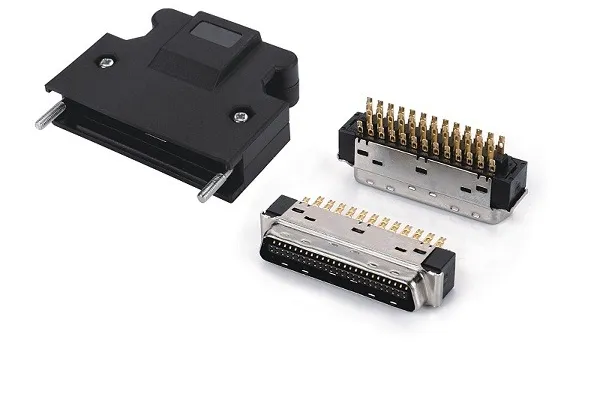
Servo Connector Mastery: How KinKuo’s Servo Connector Range Eliminates Downtime and Future-Proofs Motion Systems
Explore KinKuo Servo Connector solutions—IP67, 10 M flex, same-day ship. Cut downtime and future-proof motion systems today.
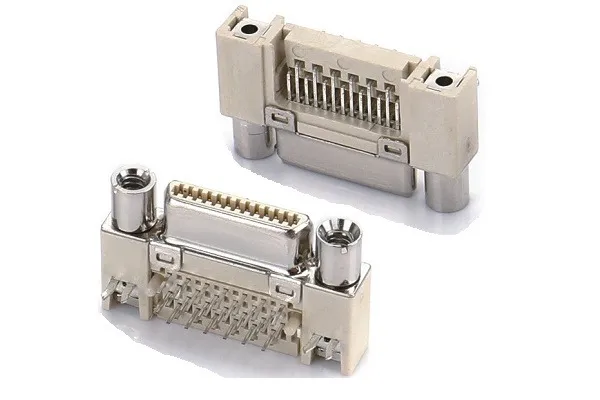
VHDCI Connector Deep Dive: How KinKuo’s VHDCI Connector Range Delivers 68-Pin Density with Zero Signal Loss
Explore KinKuo VHDCI Connector solutions—0.8 mm pitch, 500 V, RoHS. Cut space and boost speed with proven VHDCI Connector today.
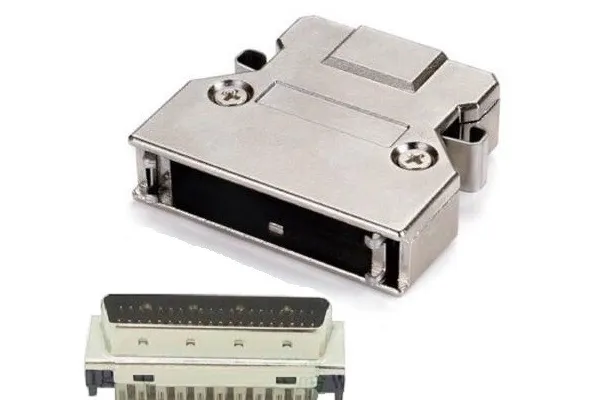
SCSl Connector Deep-Dive: How KinKuo’s SCSl Connector Portfolio Delivers 68-Pin Density with Industrial-Grade Reliability
Explore KinKuo VHDCI Connector solutions—0.8 mm pitch, 500 V, RoHS. Cut space and boost speed with proven VHDCI Connector today.
Our updates and blog posts
Servo Connector Mastery: How KinKuo’s Servo Connector Range Eliminates Downtime and Future-Proofs Motion Systems
Explore KinKuo Servo Connector solutions—IP67, 10 M flex, same-day ship. Cut downtime and future-proof motion systems today.
VHDCI Connector Deep Dive: How KinKuo’s VHDCI Connector Range Delivers 68-Pin Density with Zero Signal Loss
Explore KinKuo VHDCI Connector solutions—0.8 mm pitch, 500 V, RoHS. Cut space and boost speed with proven VHDCI Connector today.
SCSl Connector Deep-Dive: How KinKuo’s SCSl Connector Portfolio Delivers 68-Pin Density with Industrial-Grade Reliability
Explore KinKuo VHDCI Connector solutions—0.8 mm pitch, 500 V, RoHS. Cut space and boost speed with proven VHDCI Connector today.